Opinion
Originality pays: the truth most brands miss
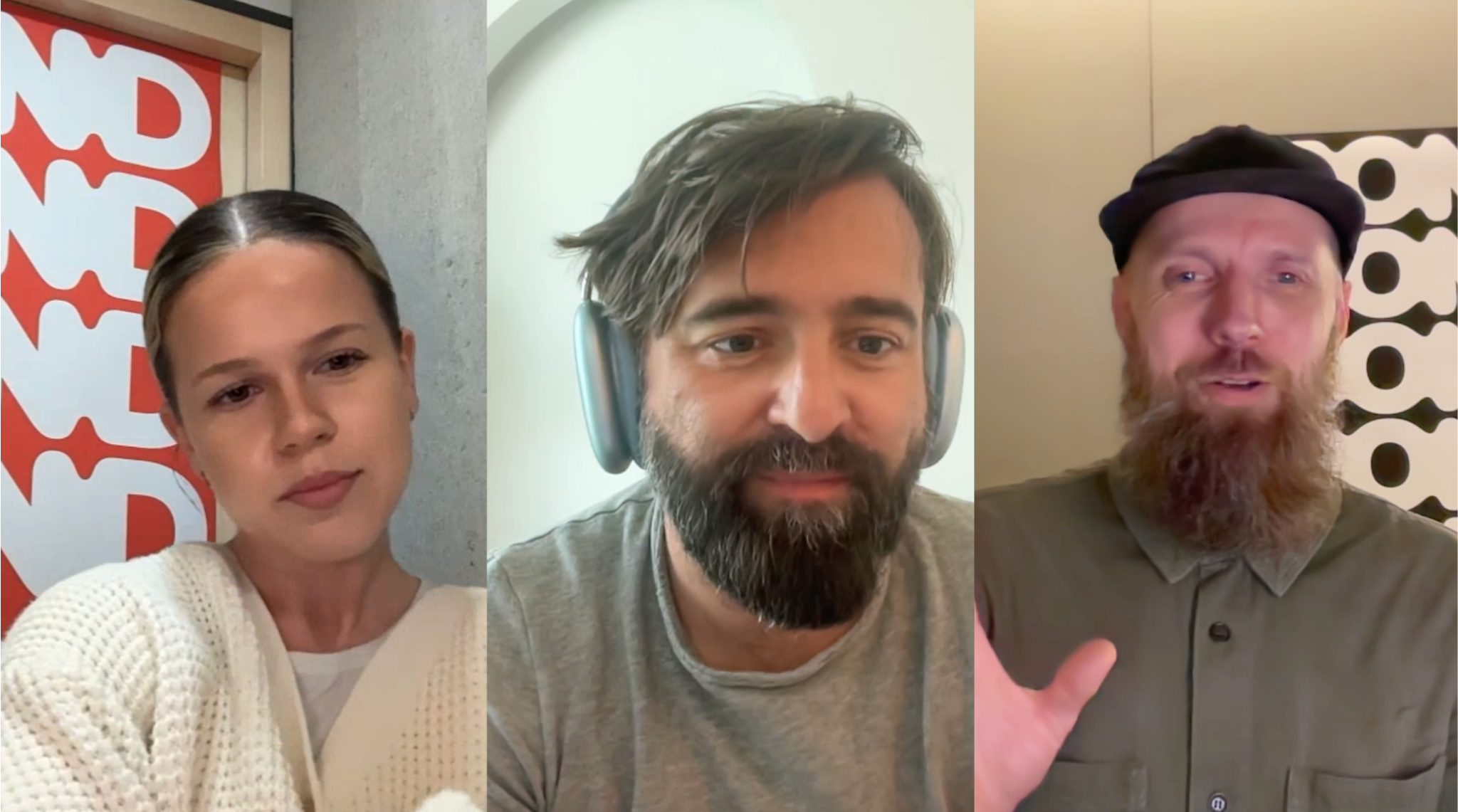
In conversation with Anthony Miles and Martin Mohr
Deputy CEO & Chief Creative Officer
In a world this fast and this noisy, most brands struggle to capture attention. So agencies are asked to come up with a big splashy idea, a bold claim, something fresh and innovative. Anything to make the brand stand out. They engineer something clever and bolt it on. And for a second, it might work, catching the eye. Then it slides off. Because there's nothing underneath.
“Originality is not invented, it’s found.”
Working across countless projects over the years, one thing has proven true time and again: every product, business and place has the seeds of originality within it. Our job as brand strategists, storytellers and designers is to find it, and then bring it to life.
Where does originality come from? It can come from anywhere: a recipe, a founder story, a location or a small detail that reflects a brand’s core DNA. It can also be found outside the business: in consumer behaviors, cultural contexts, rituals, occasions, communities and fan truths. The strongest brands connect what is true about themselves with what is true about the people they serve. The seeds can be almost anything, as long as they are true.
“Originality Pays” when two conditions are met. First, actually finding it and bringing it to the surface. Second, creating commercial value from it. Whether that is measured through sales, awareness, engagement or something else depends on the organization.
Being different vs. being original?
The industry often talks about differentiation and distinctiveness. More recently, evidence-based marketing has also focused attention on consistency, salience and the long-term value of distinctive brand assets. These are useful concepts, but they are not the same as originality.
Originality comes first. It gives brands something distinctive to express. Then through commitment and consistency, originality compounds over time into recognizable assets, stronger salience and commercial advantage. Without originality, consistency just reinforces the unauthentic.
Of course, the challenge is not only finding originality, but understanding what it means in the real world. You need to test it, see whether it resonates with people and whether it can create impact.
Most brand owners understand why standing out matters, especially in crowded digital markets. Yet the work that makes you distinctive often requires ignoring what everyone else is doing, going your own way, and that feels scary.
It’s an old cliché, but we humans dislike what we cannot fully control. The interesting thing is that when originality is rooted in something true, it rarely feels as risky as people expect. We’ve created highly distinctive and disruptive brands, yet afterwards the people behind them often say the same thing: the brand feels more like itself than ever before. Unknown isn’t equal to risk. On the contrary.
After finding your originality, you commit. Then you repeat.
The hardest part?
A brand is not finished if it cannot be used in the real world.
One of the most important conversations with clients is what happens after the work is delivered. A brand needs to be practical, understood and usable. Without alignment inside the organization, even the strongest ideas struggle to be implemented.
At the heart of all of this is change. Whether an organization has ten people or hundreds, people need to understand why change is happening and feel part of the process. Not designing by committee, but creating ownership and identity.
Surprisingly often success is not defined clearly. A business might look for increased revenue, stronger sales, greater awareness, improved engagement but to achieve any of that a brand must first succeed in making people want it.
Originality pays: examples of commercial success?
One example is Antti Tapani, a fashion brand created with Finnish hypermarket Prisma and local superstar Antti (Tapani) Tuisku. The financial goal was to raise awareness of Prisma's large selection of fashion clothing and raise sales, but the work began with deeper questions: Why would anyone care? Why should this brand exist?
The answer was found in Tuisku’s own story. At a crucial point in his music career, he chose to move away from expectations and create work that felt true to himself, despite people telling him it was too weird, too different, too early. This gave the brand the originality it needed to resonate and a universal truth that connected with its audience: Great was never normal.
The result: 1700% increase in online clothing sales.
—
Merge Gardens was a different challenge. The game itself worked well, but the game lacked a compelling story that would appeal to new players. The challenge: Retrofitting a completely new story and world onto an already existing game without changing any features or core mechanics.
The originality the game was missing was found in the absurdity of the gameplay itself. The game allowed players to merge almost anything, including cute little birds. That’s not how ordinary gardening works! So we asked ourselves: What if, in this world, a green thumb was not a figure of speech but a magical ability?
That thought unlocked a distinctive new world and story for Merge Gardens with a whole range of new characters that led to more than better ads. It gave birth to an online series that players, new and old, fell in love with.
The result: 2000% increase in revenue.
—
A third example is Siili, a Finnish technology consultancy whose name means hedgehog in Finnish. Here, originality was hiding in plain sight. The identity was built around a simplified interpretation of the hedgehog itself, while employees were invited to create their own versions of the logo, underlined by the new no-nonsense brand promise, Make It Real. The result strengthened engagement, recruitment and ownership across the organization and gave Siili something they didn’t have before, a brand platform.
The examples are different, but the principle remains the same. Originality creates value when organizations identify what makes them genuinely distinctive and commit to it consistently.
What's one thing leaders can do better to today?
For leaders, there can be a temptation to arrive with new ideas and immediately start changing things. Yet some of the strongest projects begin by looking backwards instead of forwards.
Revisiting the origins of a company, understanding what motivated its founders and examining the earliest expressions of the brand can reveal valuable ideas that might have been forgotten over time.
Not everything needs to be replaced. Sometimes the most effective form of innovation is recognizing what already works and giving it new life.
Different industries find originality in different places, but the principle remains the same. The challenge is not simply finding it. The challenge is believing in it and committing to it over time.
Originality is not something imposed from the outside.
It is something discovered.
Then you commit.
Then you repeat.
And then,
Originality pays.
